Catholic schools have the opportunity to bring a unique, invaluable approach to education—one focused on the full development of each child. Each teacher has the opportunity to not only instruct their students, but to live as an active witness to the way of life and worldview at the heart of this mission.
To fulfill this mission, it is helpful to think about the things that adults in these schools, particularly teachers, can and should offer in these settings.
- Joy. Is life worth living? Is there joy to be found in everyday life? By choosing joy and spreading joy, teachers are uniquely well-positioned to be witnesses to the goodness of life and the possibility of living joyfully. Against a culture of stress, anxiety, and drudgery, teachers can inject joy into the lives of their students and model how to live joyfully. As Pope Leo has said, “True teachers educate with a smile, and their goal is to awaken smiles in the depths of their students’ souls.”
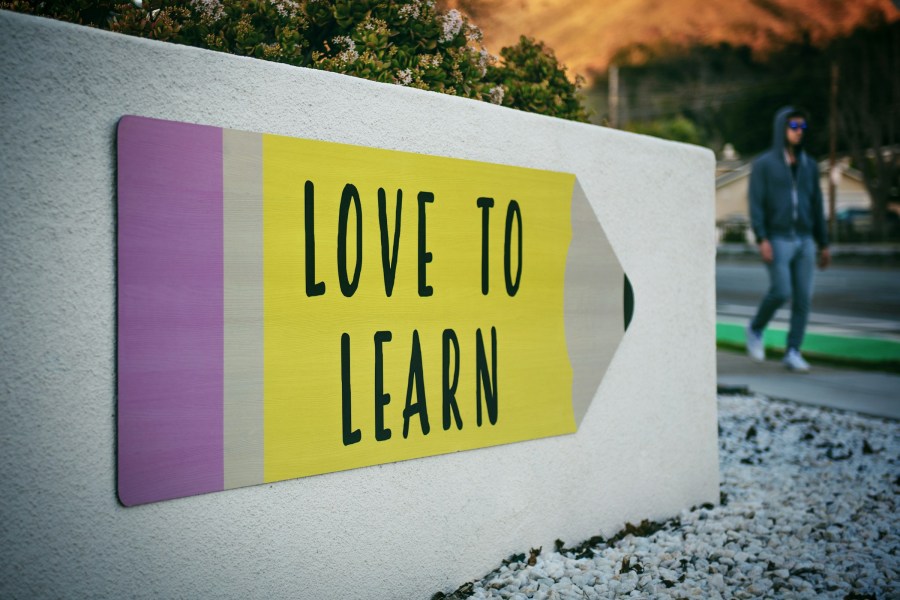
- Enthusiasm. A lot of kids do not love going to school. Some dread it. If that energy is matched by their teachers, it spreads like a contagion. Real enthusiasm has the opposite effect. If we want students to be lifelong learners, they need to see adults that love learning. They need to see teachers who are excited to be at school, exploring the world of ideas and genuinely excited to be around them and see them grow.
- Passion. Closely related enthusiasm is the need for passion. Pretty much every student has thought, “Why are we doing this? Why are we learning this?” There is great value in explaining why. But beyond this, true passion for the material illustrates the value and validity of what the class is doing. At the heart of true education is getting kids motivated to put the work in and to seek real understanding. The teacher’s passion for the material, the pursuit of truth, and intellectual growth can unlock that passion in their students.
- Fun. Boredom destroys passion. Schools will inevitably have some necessary and valuable activities that are monotonous. Learning is not simply a form of entertainment. Students need to be resilient and grind through things they do not particularly enjoy. But if school is primarily about completing tedious tasks, the system is broken. It cannot unlock the potential of most students. And if teachers measure success by what they “cover”, not the intellectual, emotional, physical, and spiritual development of the students, the mission has been lost. Most schools need more play. They need fun. Play powers us through repetitive and less interesting moments in the day, giving us rest and letting us recharge. It can burn excessive energy, build comradery, and simply make people’s lives better—children and adults. If fun is treated as suspect and play in banished, we should not be surprised when students dislike coming to school and treat it like a brutal transactional process. Against a cult of efficiency that is producing widespread misery, Catholic schools need to demonstrate what human flourishing actually looks like.
- Humor. Perhaps nothing is more effective at breaking tedium than humor. It is also a valuable tool to defuse tension. It can be used to build bonds. When teachers and students use humor effectively, it creates a better community and learning environment.
- Humility. We have all seen adults in Catholic schools who are intoxicated by their power over others. Few things undermine the mission of our schools more than this. True authority is not rooted in power or status, but service. And recognizing the limits of our knowledge or understanding can build trust, while pridefully ignoring them generates hostility and suspicion. Teachers can show that there is always more to learn for a lifelong learner. They can demonstrate what it looks like to be responsible and accountable when mistakes are made. They can show that power and status ultimately mean less than love and service.
- Mercy. One of my personal mottos as a teacher was: never petty. Kids will act out. They will make mistakes. It is a normal human response to take things personally, but there is an opportunity to rise above this. Teachers are adults—and should act like it. They can live out their values, even if they are disappointed in a student’s actions. And since mistakes are inevitable, there will always be a need for mercy. Should we have real expectations and standards for conduct? Yes, of course. But there must be room for redemption. Students must know they are not defined by their worst mistake. They need to know they are loved and valued in a sturdy, durable way.
- Kindness. One way to demonstrate that care and concern for each child is kindness. Little gestures matter. Everyday interactions have a massive impact over time. All Christians are called to a life of kindness. There are moments where we must hold people to moral standards in a way that may be tough and jarring, but consistent behavior that shows concern can turn even those moments into opportunities for growth without disrupting relationships. If we want students to be kind, the adults need to consistently show what that looks like.
- Belief. It is hard to overstate what it means for a child to know that their teacher believes in their worth, their value, their dignity, their potential. We need teachers that love every child, that search for the good in each child. We need teachers fully committed to helping each child flourish. If their teachers do not believe in them, it makes it harder for them to believe in themselves.
- Excellence. Students need to be shown the value of doing things the right way. An obsession with grades rather than the process undermines this. Ignoring the mission of the school and promoting a mindset rooted in self-interest will intensify self-seeking behavior, including cheating—a massive challenge in the age of AI. A focus on getting the process right, pursuing the mission, strengthening virtue and character, and seeking excellence for its own sake is essential.
- Depth. Do we actually want critical and creative thinking? If we do, then rote memorization, endless lectures, and the complete absence of improvisation cannot be the formula for teaching. True intellectual exploration cannot be bound in this way. By raising challenging questions, through discussion or periods of deep reflection, students must be pushed to really think. With AI at our fingertips, the idea of education as merely a vehicle for temporarily memorizing knowledge has never been more worthless. We need judgment, wisdom, and thoughtfulness. Teachers need to be conscious of forming students capable of these.
- Faith. We cannot fulfill the mission of Catholic schools—to form saints and help to build the Kingdom of God—without teachers who believe in the Gospel, who believe in the radical Way of Christ. If the adults do not believe, we cannot be surprised when many of the children do not. Pope Benedict XVI wrote, “The one who has hope lives differently.” If our teachers simply mirror the maladies of contemporary life, the worldviews and actions that undermine the common good and human flourishing, the shared mission of Catholic schools will fail. Every Catholic school needs leaders and teachers who are shaped by a sincere, transformative faith.

